
You finally sit down after a long day. Your shoulders feel tight, your lower back aches, and your mind is still racing from work, errands, and everything in between. A quick stretch helps a little. Maybe a hot shower takes the edge off. But the tension always seems to creep back.
Many homeowners deal with the same cycle. Stress builds during the day, sleep never feels deep enough, and sore muscles linger longer than they should. Over time, that constant tension can affect how you move, how you sleep, and how much energy you bring into the next day.
This is where hot tub hydrotherapy starts to make sense. More than a luxury backyard feature, hydrotherapy combines warm water, buoyancy, and targeted water pressure to help the body relax and recover. When used regularly, a hot tub can become a practical part of your wellness routine, helping you unwind, soothe tired muscles, and bring a little balance back into your daily life.
For many Jacksonville homeowners, adding a hot tub is not just about comfort. It is about creating a reliable space where the body and mind can reset at the end of the day.
What Hot Tub Hydrotherapy Really Means
Hot tub hydrotherapy is often associated with relaxation, but the concept goes deeper than simply sitting in warm water. Hydrotherapy refers to the therapeutic use of heated water combined with movement and pressure to support comfort, recovery, and relaxation.
In a well-designed hot tub, hydrotherapy works through several natural forces. Warm water helps the body relax. Buoyancy reduces the pressure placed on joints and muscles. Water jets provide targeted massage that can loosen tight areas and encourage circulation.
Together, these elements create a gentle but effective way to help the body decompress.
More Than Warm Water and Jets
A quality hydrotherapy experience involves more than heat. The design of the hot tub plays a major role in how effective it feels.
Strategically placed jets can target areas where tension often builds, including the neck, shoulders, back, hips, and legs. Each seat may offer a different jet arrangement so users can focus on specific muscle groups during a soak.
Many Jacuzzi® Hot Tubs are designed with this approach in mind. Instead of random jet placement, the jets are positioned to follow common muscle patterns. This helps deliver a massage-like experience while you relax.
Why People Turn to Hydrotherapy at Home
Hydrotherapy has long been used in spas, therapy centers, and rehabilitation programs. Today, homeowners are bringing that experience into their own backyards.
Having access to hydrotherapy at home offers several advantages:
- Relaxation whenever you need it
- Muscle recovery after physical activity
- A calming nighttime routine
- A shared wellness space for family members
For many homeowners in Jacksonville, a hot tub becomes a simple habit that improves everyday comfort.
How Hydrotherapy Works on the Body
To understand the benefits of hydrotherapy, it helps to look at how warm water interacts with the body. Three natural elements work together to create the hydrotherapy experience: heat, buoyancy, and water movement.
Each one contributes to the way your body relaxes and recovers in a hot tub.

Heat and Circulation
Warm water naturally encourages the body to relax. As muscles warm up, they often feel less tight and more flexible.
Heat can also help increase circulation. Improved blood flow helps deliver oxygen and nutrients throughout the body, which may support muscle recovery and general comfort.
That is one reason many people enjoy soaking after physical activity or long workdays. The warmth helps release tension that has built up in the muscles.
Buoyancy and Reduced Pressure
Water has a unique property that many people notice immediately. When you enter a hot tub, your body feels lighter.
This happens because water supports a portion of your body weight. The effect is called buoyancy, and it reduces pressure on joints, muscles, and the spine.
For individuals dealing with stiffness or joint discomfort, this reduced load can make movement feel easier and more comfortable.
Water Movement and Targeted Pressure
Hydrotherapy jets introduce another important element: water pressure.
Jets push streams of water toward specific muscle groups. This movement creates a massage-like effect that can help loosen tight areas and stimulate circulation.
Different jet patterns can provide different sensations. Some deliver gentle pressure while others provide deeper massage to areas such as the lower back or shoulders.
The Everyday Wellness Benefits Homeowners Notice First
While hydrotherapy offers several physical benefits, many homeowners first notice improvements in their overall sense of relaxation.
A regular soak in a hot tub can become a reliable way to unwind and recharge after a busy day.
Stress Relief After a Long Day
Stress often builds quietly. Tight shoulders, a stiff neck, and racing thoughts can make it difficult to fully relax.
Warm water immersion helps shift the body into a more relaxed state. As muscles loosen and breathing slows, many people feel tension begin to fade.
Spending even fifteen to twenty minutes in a hot tub can provide a peaceful break from the constant pace of daily life.
Better Sleep Starts Before Bedtime
Sleep quality is closely connected to relaxation. When the body carries tension into the evening, it becomes harder to fall asleep and stay asleep.
A warm soak before bedtime can help prepare the body for rest. As you relax in the hot tub, your body temperature rises slightly. After leaving the water, the gradual cooling process can signal to the body that it is time to sleep.
Many hot tub owners find that this simple routine helps them wind down more effectively.
A Wellness Habit People Actually Keep
Many wellness routines start with good intentions but fade over time.
Hydrotherapy works differently because it is enjoyable. Instead of feeling like a chore, soaking in a hot tub often becomes something people look forward to.
When relaxation becomes part of your routine, consistency comes naturally.
Where Hot Tub Hydrotherapy Can Help Physically
Beyond relaxation, hydrotherapy can support physical comfort in several ways. The combination of heat, buoyancy, and water pressure creates an environment that can help ease everyday aches and tension.
Sore Muscles and Recovery
After exercise, yard work, or long hours on your feet, muscles can become tight and fatigued. Warm water helps relax these muscles while jets provide gentle massage. This combination can help reduce stiffness and improve comfort after physical activity.
Athletes and active homeowners often use hydrotherapy as part of their recovery routine.
Joint Stiffness and Mobility
Many people notice joint stiffness after periods of inactivity or in the morning. The buoyancy of water reduces pressure on joints, making movement feel easier. Combined with the relaxing effect of warm water, this environment can help improve mobility.
While hydrotherapy does not replace medical care, it can provide comfort for those dealing with everyday joint stiffness.
General Aches and Tension
Daily life places stress on the body. Long hours at a desk, heavy lifting, or repetitive movements can all contribute to soreness.
A hot tub soak allows the body to rest while warm water and jets target tight areas. Over time, this routine can help reduce the build-up of tension in common trouble spots such as the lower back and shoulders.
Who May Benefit Most From Hydrotherapy at Home
Hot tub hydrotherapy can benefit many different types of households. While everyone enjoys relaxation, certain groups often find hydrotherapy especially helpful.
Active Adults and Fitness Enthusiasts
Those who exercise regularly often deal with muscle fatigue and tightness. Hydrotherapy provides a simple recovery method that can complement workouts. Warm water relaxes muscles while jets help massage areas that need extra attention.
Many athletes and fitness enthusiasts use hot tubs as part of their post-workout routine.
Older Adults Seeking Comfort and Mobility
As the body ages, joints may become stiffer and muscles may take longer to recover.
The buoyancy of water can make movement feel easier, while warmth encourages relaxation. For older adults, hydrotherapy often becomes a gentle way to support everyday comfort.
Busy Professionals and Families
Hydrotherapy is not only for physical recovery. It also offers a mental reset after demanding days.
Busy professionals and families often use their hot tub as a place to disconnect from screens and reconnect with each other. A quiet soak can bring a welcome pause to a fast-paced schedule.
What Hydrotherapy Can and Cannot Do
Hot tub hydrotherapy offers real benefits, but it is important to maintain realistic expectations. Understanding what hydrotherapy supports helps homeowners use their hot tub more effectively.
What It May Support
Regular hydrotherapy sessions may help support:
- Relaxation and stress reduction
- Muscle recovery and comfort
- Improved sleep routines
- Temporary relief from stiffness
When used consistently, these benefits can contribute to a healthier daily rhythm.
What It Does Not Replace
Hydrotherapy should not replace professional medical treatment.
If someone is dealing with injuries, chronic pain, or health conditions, it is important to follow medical guidance. A hot tub can complement wellness routines but should not replace therapy or medical care when needed.

Why Results Vary
Every body responds differently to hydrotherapy.
Factors such as water temperature, session length, personal health conditions, and frequency of use all play a role in the experience. The key is consistency and mindful use.
How to Use a Hot Tub for Better Hydrotherapy Results
Getting the most from hydrotherapy often comes down to how you use your hot tub. A few simple habits can help improve the experience and maximize the benefits.
Ideal Soak Length and Temperature
Moderation is important. Most hydrotherapy sessions last around 15 to 30 minutes. This allows the body to relax without overheating.
Water temperatures are commonly set between 100 and 104 degrees Fahrenheit, depending on personal comfort.
Timing Matters
Many people choose to soak:
- After workouts
- At the end of a workday
- Before bedtime
Each option supports a different wellness goal, whether that is recovery, stress relief, or improved sleep.
Make Each Session More Intentional
To get the most from hydrotherapy, rotate between seats so different jets target different muscle groups.
You can also perform gentle stretches before or after your soak. Staying hydrated and allowing your body to cool down afterward also helps maintain comfort.
Safety Comes First When Using a Hot Tub
Hot tubs are designed for comfort, but safe use is important. Understanding basic safety practices helps ensure a positive experience.
Heat Awareness
Spending too long in hot water can cause dizziness or dehydration. If you begin to feel lightheaded, it is best to exit the hot tub and cool down. Taking breaks between sessions can also help prevent overheating.
Clean Water Matters
Proper maintenance is essential for both comfort and health. A well-maintained hot tub keeps water clean and balanced. This reduces the risk of skin irritation and helps ensure the hydrotherapy experience remains enjoyable.
Regular water testing and professional service can help keep your hot tub in excellent condition.
When to Talk to a Doctor
Certain individuals should consult a healthcare professional before using a hot tub, including those who are pregnant or dealing with specific heart or blood pressure conditions. When used responsibly, hot tubs are safe and relaxing for most people.
Choosing the Right Hot Tub Features for Hydrotherapy
Not all hot tubs provide the same hydrotherapy experience. The design and engineering of the spa make a significant difference.
Jet Placement Matters
Many buyers focus on the number of jets, but placement is far more important. Strategic jet positioning targets key muscle groups such as the shoulders, lower back, and calves. High quality hot tubs are designed to provide balanced massage coverage.
Jacuzzi® Hot Tubs are well known for their hydrotherapy-focused jet design.
Comfortable Seating Layouts
Seat depth, shape, and height all affect comfort.
Some hot tubs feature lounge seats that stretch out the legs, while others provide upright seats designed for deeper massage therapy. Having multiple seat styles allows different users to find the position that feels best.
Reliable Support and Maintenance
Owning a hot tub involves more than installation. Local support helps ensure water care, service, and maintenance remain simple. Working with a trusted dealer makes long-term ownership much easier.
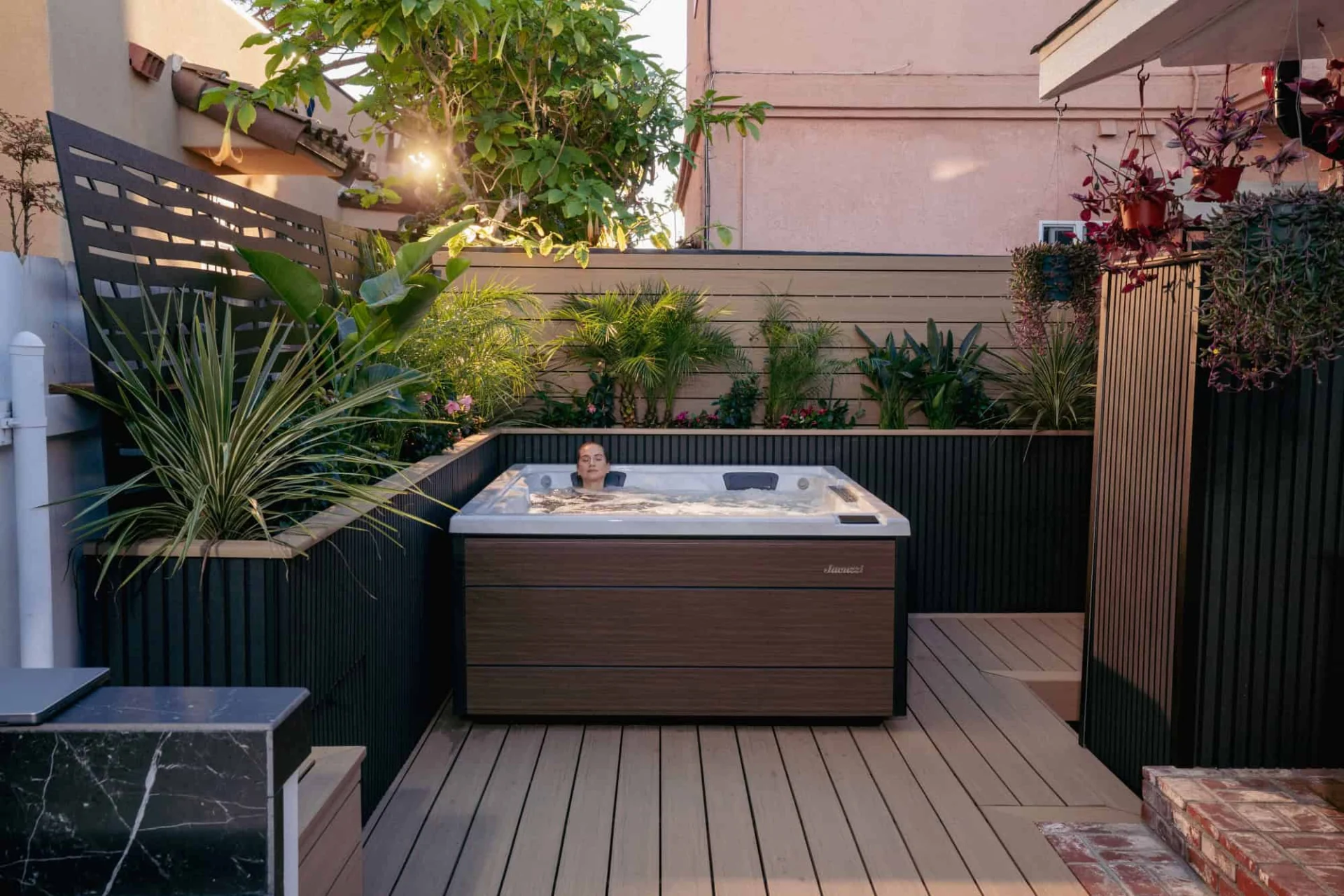
At Zen Outdoor in Jacksonville, homeowners can explore the entire collection of Jacuzzi® Hot Tubs, each offering dependable hydrotherapy experiences designed for everyday use.
Frequently Asked Questions
Is hydrotherapy in a hot tub good for sore muscles?
Yes, hydrotherapy is a great option for sore muscles. Warm water helps relax muscles, while jets provide massage-like pressure. This combination often helps reduce muscle tightness after exercise or physical activity.
How long should you stay in a hot tub?
Most hot tub sessions last between 15 and 30 minutes. Staying hydrated and avoiding overly long sessions helps maintain comfort and safety.
Can a hot tub help with stress?
Many people find that hot tubs are effective for relaxation and stress relief. The warmth, quiet environment, and gentle massage from jets can help reduce stress after a long day.
Do hot tubs help with sleep?
A warm soak before bedtime may help the body relax and prepare for sleep. Many owners use their hot tub as part of a nighttime routine.
Are hot tubs safe for everyday use?
For most people hot tubs are safe for everyday use. Daily sessions can be safe when water temperature and soak length are kept within recommended limits.
If you are pregnant, have a heart condition, have a blood pressure condition, or a health concern, we encourage you to consult a healthcare professional before using a hot tub.
Is Hot Tub Hydrotherapy Worth It?
Hot tub hydrotherapy offers more than simple relaxation. It provides a practical way to support recovery, reduce daily stress, and create a peaceful routine at home.
For many homeowners, a hot tub becomes one of the most used features in the backyard. It is a place to relax after work, recover after activity, and spend quiet time with family.
If you are considering hydrotherapy for your home, the best step is to experience it in person. At Zen Outdoor in Jacksonville, you can explore premium Jacuzzi® Hot Tubs, designed to deliver comfortable, reliable hydrotherapy.
Your daily reset might be just one soak away.
Start your Hot Tub Hydrotherapy Journey today!